








Throughout history, natural phenomena and mythological stories have served as profound sources of inspiration for human creativity, especially within the realm of entertainment and gaming. Modern game developers often draw upon these timeless symbols to craft immersive worlds that resonate emotionally and culturally with players. Among these symbols, lightning stands out as a particularly potent motif, embodying divine power, cosmic energy, and transformative forces. Its dynamic visual effects and symbolic meanings have become central to many contemporary games, helping to deepen storytelling and gameplay mechanics.
- Mythology as a Foundation for Game Themes
- The Symbolism of Lightning in Mythology and Its Gaming Applications
- Modern Examples of Lightning and Mythological Inspiration in Games
- Technological Evolution Enabling Mythology-Inspired Game Mechanics
- Cultural and Educational Significance of Myth-Inspired Games
- Non-Obvious Depth: Psychological and Symbolic Impact of Lightning and Mythology in Games
- Future Trends in Mythology, Natural Phenomena, and Game Design
- Conclusion: Integrating Mythology and Natural Symbols for Richer Gaming Experiences
Mythology as a Foundation for Game Themes
Mythological motifs have long served as foundational elements in storytelling, and this influence extends robustly into game development. Classic themes such as hero’s journeys, divine battles, and moral allegories translate naturally into interactive experiences. Developers often adapt ancient stories to create character archetypes—such as heroes, gods, monsters—and plot devices that evoke familiarity and emotional engagement. For example, the hero’s journey motif underpins many action-adventure games, guiding players through trials that mirror mythic quests. Similarly, divine battles between gods and monsters inspire genres focused on epic conflicts and moral choices.
The enduring power of these motifs lies in their universality; they transcend cultures and eras, providing a shared narrative language that resonates across diverse audiences. This foundation allows designers to craft worlds where mythological elements serve not only as aesthetic choices but as core mechanics and story drivers, enriching gameplay with layers of cultural depth.
The Symbolism of Lightning in Mythology and Its Gaming Applications
In many cultures, lightning symbolizes divine intervention, overwhelming power, and sudden enlightenment. Greek mythology, for example, depicts Zeus wielding thunderbolts as weapons of divine authority, representing both destruction and justice. In Norse lore, Thor’s hammer Mjölnir is often associated with thunderstorms, embodying strength and protection. Such symbols of lightning convey a sense of awe and invoke primal fears and reverence.
Modern game designers leverage these symbolic meanings through visual effects and mechanics. Lightning effects—flashes, strikes, and electrifying visuals—are used to heighten drama, signify divine approval, or trigger special powers. In storytelling, lightning can mark moments of divine intervention or serve as a narrative device to introduce chaos or transformation.
A compelling case is how lightning influences game mechanics: in some titles, characters can summon storms or wield lightning-based powers, emphasizing their divine or supernatural status. These effects deepen immersion, as players often subconsciously associate lightning with authority and energy, amplifying emotional engagement and narrative stakes.
Modern Examples of Lightning and Mythological Inspiration in Games
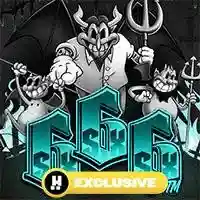
One illustrative example is the game Greek mythology game details, which embodies timeless mythic principles by integrating lightning as a core mechanic and symbol. The game recreates the divine power of Zeus through stunning lightning visual effects, serving both as a gameplay element and a storytelling device. Such integration showcases how mythological symbols can be modernized to create immersive experiences.
Beyond this, titles like God of War series and the Thor franchise incorporate lightning and divine themes prominently. In God of War, the protagonist’s powers are often linked to mythic elements, with lightning serving as a symbol of wrath and divine favor. The Thor series, rooted directly in Norse mythology, uses thunder and lightning effects to emphasize the mythic grandeur of its characters and battles.
These examples demonstrate how blending mythic symbolism with innovative gameplay mechanics creates rich, memorable experiences that resonate with players’ subconscious associations of power and divine authority.
Technological Evolution Enabling Mythology-Inspired Game Mechanics
The evolution from traditional arcade machines to sophisticated digital platforms has vastly expanded the scope for mythologically inspired mechanics. In particular, HTML5 technology has revolutionized mobile and online gaming since around 2010, allowing developers to create complex, visually stunning myth-themed titles accessible on various devices.
One notable influence is the mechanic of mystery symbols, originating from Japanese pachinko machines, which has been adapted into many modern slot and puzzle games. These mechanics introduce elements of chance and surprise, echoing the unpredictable power associated with natural phenomena like lightning. Such mechanics heighten engagement and incorporate mythic themes—such as divine rewards or prophetic symbols—into gameplay.
Advancements in graphics, physics engines, and real-time effects enable developers to depict lightning strikes realistically, making mythic powers feel tangible and dynamic. These technological strides continue to push the boundaries of how mythological stories and symbols are experienced in interactive formats.
Cultural and Educational Significance of Myth-Inspired Games
Games serve as powerful modern storytelling tools that can educate players about historical and mythological contexts. Accurate cultural representation fosters respect and understanding, transforming gameplay into an educational experience. For instance, myth-inspired titles often incorporate authentic symbols, narratives, and languages, offering players insights into different civilizations.
Educationally, mythologically themed games can introduce players to complex concepts such as divine hierarchies, moral lessons, and cultural values. They also encourage curiosity, prompting players to explore further through supplementary materials or real-world research. Proper integration ensures that the cultural significance is preserved and presented respectfully, fostering intercultural awareness and appreciation.
This educational potential is exemplified by titles that adapt mythic stories into interactive lessons, making learning engaging and memorable.
Non-Obvious Depth: Psychological and Symbolic Impact of Lightning and Mythology in Games
Beyond visual appeal, lightning and mythological symbols tap into deep psychological archetypes. Carl Jung’s theories suggest that such symbols evoke universal subconscious responses—power, awe, fear, and reverence—that transcend cultural boundaries. Lightning, as a divine or cosmic force, can evoke feelings of awe and transformation, often linked to moments of revelation or change in storytelling.
These symbols also trigger emotional and cognitive reactions, such as excitement during a lightning strike effect or a sense of divine authority when a character wields thunder powers. Such reactions contribute to immersive experiences, making gameplay more memorable. The mythic themes reinforce these responses, anchoring player engagement in archetypal narratives of heroism, divine justice, and chaos.
“Natural phenomena like lightning serve as powerful subconscious symbols that elevate game narratives from mere entertainment to profound psychological experiences.”
Future Trends in Mythology, Natural Phenomena, and Game Design
Emerging technologies such as augmented reality (AR) and virtual reality (VR) are poised to revolutionize mythological storytelling further. These tools can create immersive environments where natural phenomena like lightning can be experienced in real-time, heightening emotional impact. For example, a VR experience could simulate a thunderstorm with lightning strikes synchronizing with in-game events, enhancing the sense of divine intervention or chaos.
Additionally, scientific discoveries about environmental phenomena inspire new mythic themes—climate change or cosmic events—becoming the basis for myth-inspired narratives. The ongoing use of symbols like lightning ensures that ancient archetypes remain relevant, now reinterpreted through innovative game concepts and new storytelling paradigms.
These trends suggest a future where mythological symbols are not only preserved but dynamically integrated with cutting-edge technology to craft deeply immersive, educational, and culturally sensitive gaming experiences.
Conclusion: Integrating Mythology and Natural Symbols for Richer Gaming Experiences
The intertwining of lightning symbolism and mythological narratives in modern game design exemplifies how timeless themes can be revitalized through technological and artistic innovation. These symbols evoke powerful subconscious responses, enhance storytelling, and foster cultural understanding. As demonstrated by titles inspired by ancient deities and mythic battles, integrating natural phenomena like lightning enriches gameplay and narrative depth.
Looking ahead, advancements in AR and VR promise even more immersive experiences where mythic symbols come alive in unprecedented ways. Developers must continue to approach these themes with cultural sensitivity and educational intent, ensuring that mythological symbols serve as bridges between entertainment, learning, and cultural appreciation.
In essence, the enduring legacy of mythological symbols like lightning lies in their ability to connect players with universal stories of power, transformation, and divine influence—principles that remain as relevant today as they were millennia ago.